

Learn how to offer Nimaz step by step with simple words, Arabic duas, transliteration, English translation, prayer positions, rakats and helpful reminders for boys and girls. This beginner-friendly Salah guide is made for children, parents and new learners.
Start slowly, learn one step at a time, and ask Allah to help you pray with love and focus.
Nimaz, also called Salah, is the daily prayer Muslims offer to worship Allah, remember Him and ask for guidance.
Salah is one of the most important acts of worship in Islam. Muslims pray five daily prayers: Fajr, Zuhr, Asr, Maghrib and Isha. For children, learning Nimaz should be gentle, loving and step by step.
The Quran teaches that prayer helps protect a person from wrong actions and keeps the heart connected to Allah. Children should be encouraged with kindness, practice and patience.
This guide explains the common way to pray Salah in simple words. Some details may differ slightly depending on family, teacher or school of thought, so children should also learn from their parents or Quran teacher.
Here is a simple beginner chart for children. Farz rakats are obligatory. Sunnah and Nafl rakats bring extra reward and help build good prayer habits.
Follow each step slowly. Children can first learn the actions, then memorise the Arabic duas with meaning.
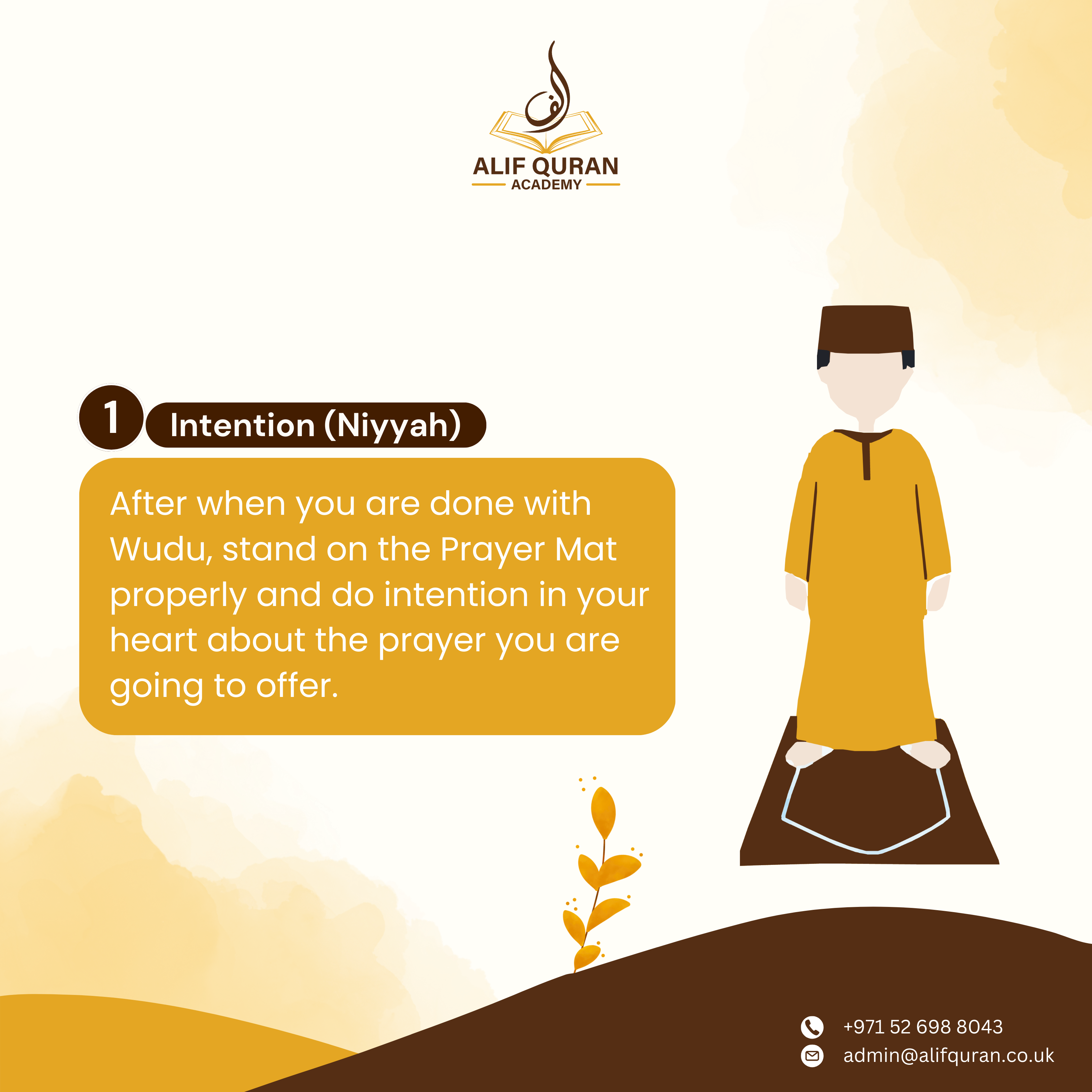
Stand straight on your prayer mat and decide in your heart which prayer you are praying, such as Fajr, Zuhr, Asr, Maghrib or Isha. You do not need to say your intention out loud.
نَوَيْتُ أَنْ أُصَلِّيَ لِلّٰهِ
Nawaytu an usalliya lillah
Meaning: I intend to pray for Allah.
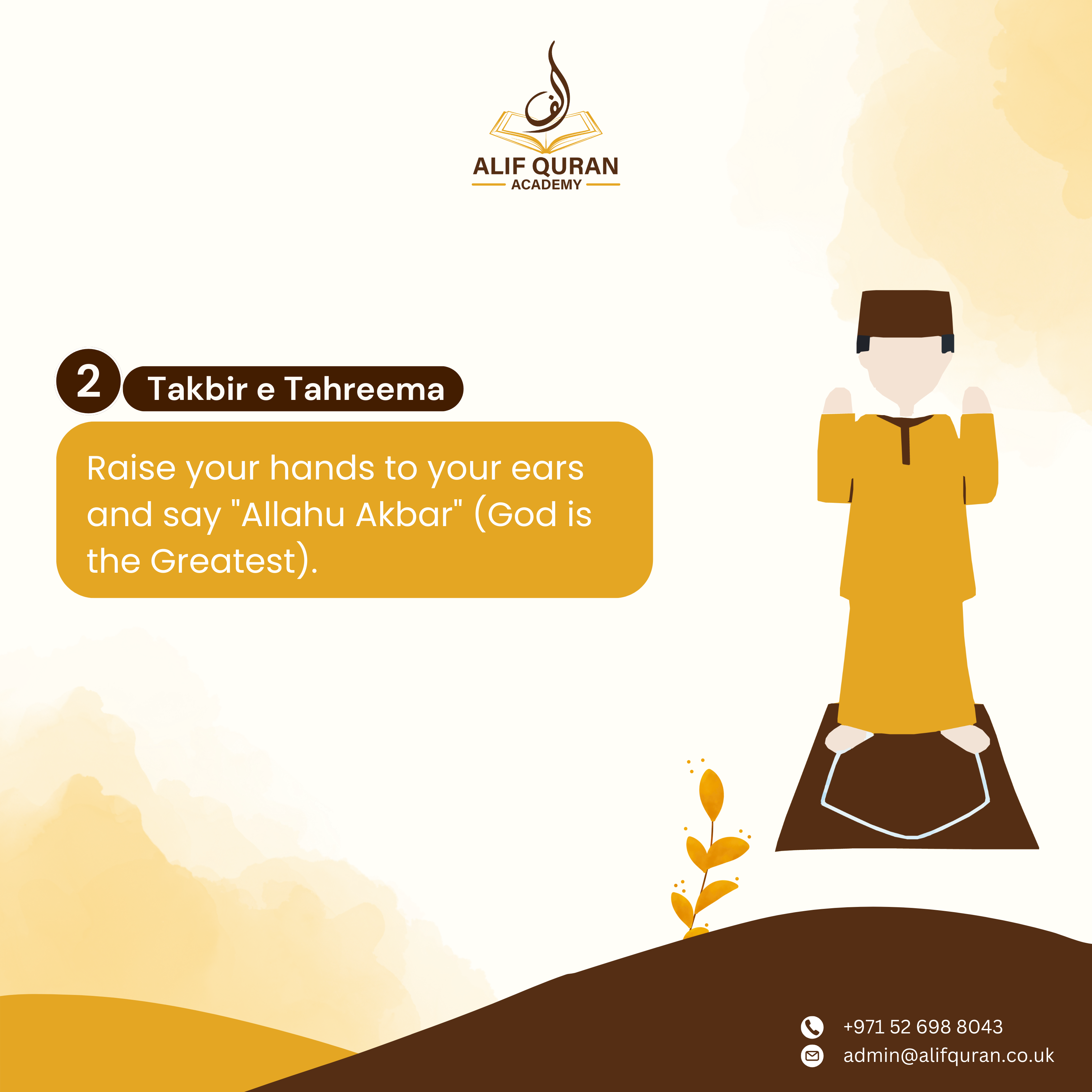
Raise both hands and say Allahu Akbar. This starts your special conversation with Allah.
اَللّٰهُ أَكْبَرُ
Allahu Akbar
Meaning: Allah is the Greatest.
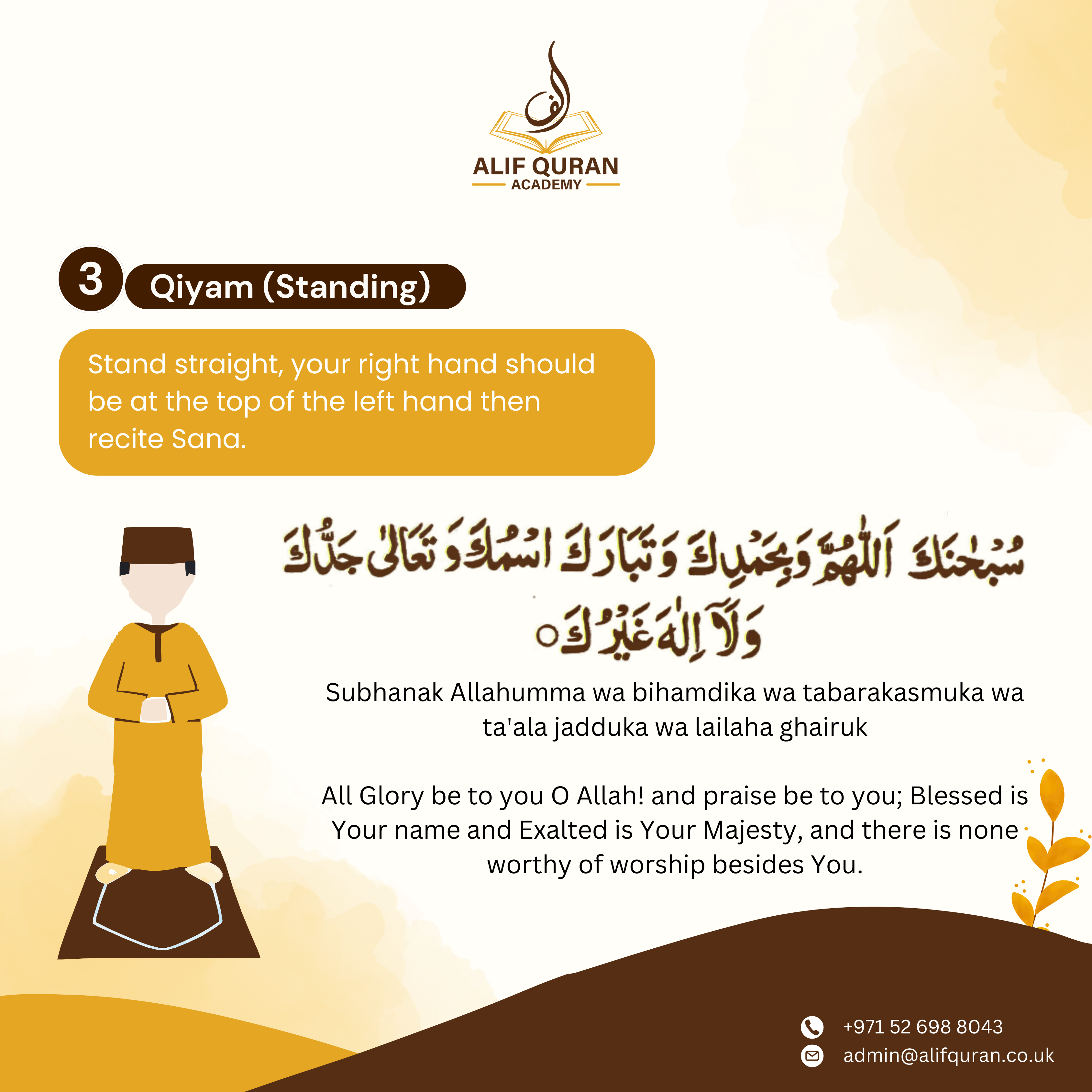
Fold your hands and stand calmly. Read Sana to praise Allah at the beginning of the prayer.
سُبْحَانَكَ اللّٰهُمَّ وَبِحَمْدِكَ وَتَبَارَكَ اسْمُكَ وَتَعَالٰى جَدُّكَ وَلَا إِلٰهَ غَيْرُكَ
Subhanaka Allahumma wa bihamdika wa tabarakasmuka wa ta'ala jadduka wa la ilaha ghayruk
Meaning: Glory and praise are for You, O Allah. Blessed is Your name, high is Your majesty, and there is no god besides You.
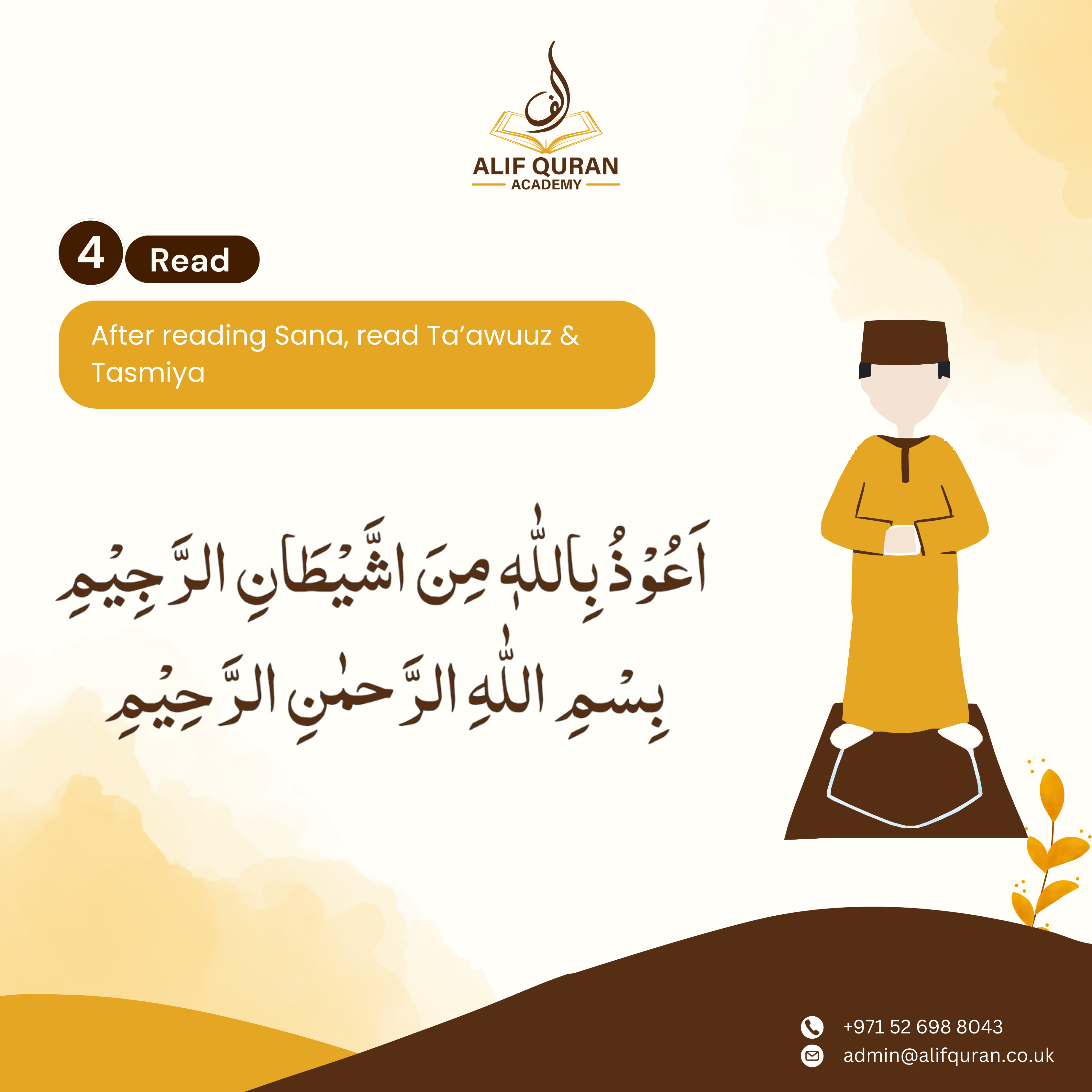
Ask Allah to protect you from Shaytan, then begin in the name of Allah, the Most Kind and Most Merciful.
أَعُوذُ بِاللّٰهِ مِنَ الشَّيْطَانِ الرَّجِيمِ
بِسْمِ اللّٰهِ الرَّحْمٰنِ الرَّحِيمِ
A'udhu billahi min ash-shaytan ir-rajim. Bismillah ir-Rahman ir-Rahim.
Meaning: I seek Allah's protection from the rejected Shaytan. In the name of Allah, the Most Kind, the Most Merciful.
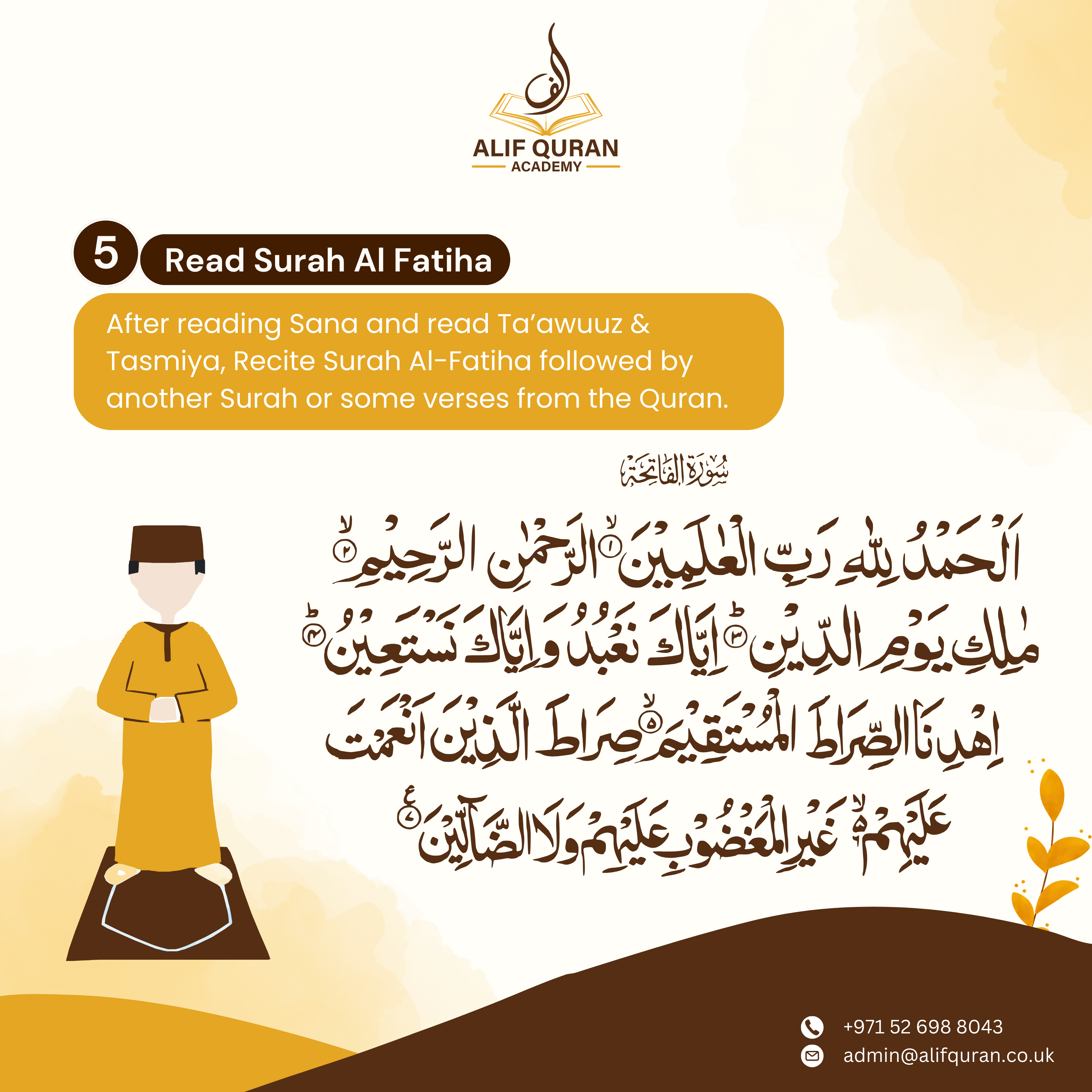
Read Surah Al-Fatiha slowly. It asks Allah for guidance to the straight path.
الْحَمْدُ لِلّٰهِ رَبِّ الْعَالَمِينَ
الرَّحْمٰنِ الرَّحِيمِ
مَالِكِ يَوْمِ الدِّينِ
إِيَّاكَ نَعْبُدُ وَإِيَّاكَ نَسْتَعِينُ
اهْدِنَا الصِّرَاطَ الْمُسْتَقِيمَ
صِرَاطَ الَّذِينَ أَنْعَمْتَ عَلَيْهِمْ
غَيْرِ الْمَغْضُوبِ عَلَيْهِمْ وَلَا الضَّالِّينَ
Alhamdu lillahi rabbil 'alamin...
Meaning: All praise is for Allah, Lord of all worlds... Guide us to the straight path.
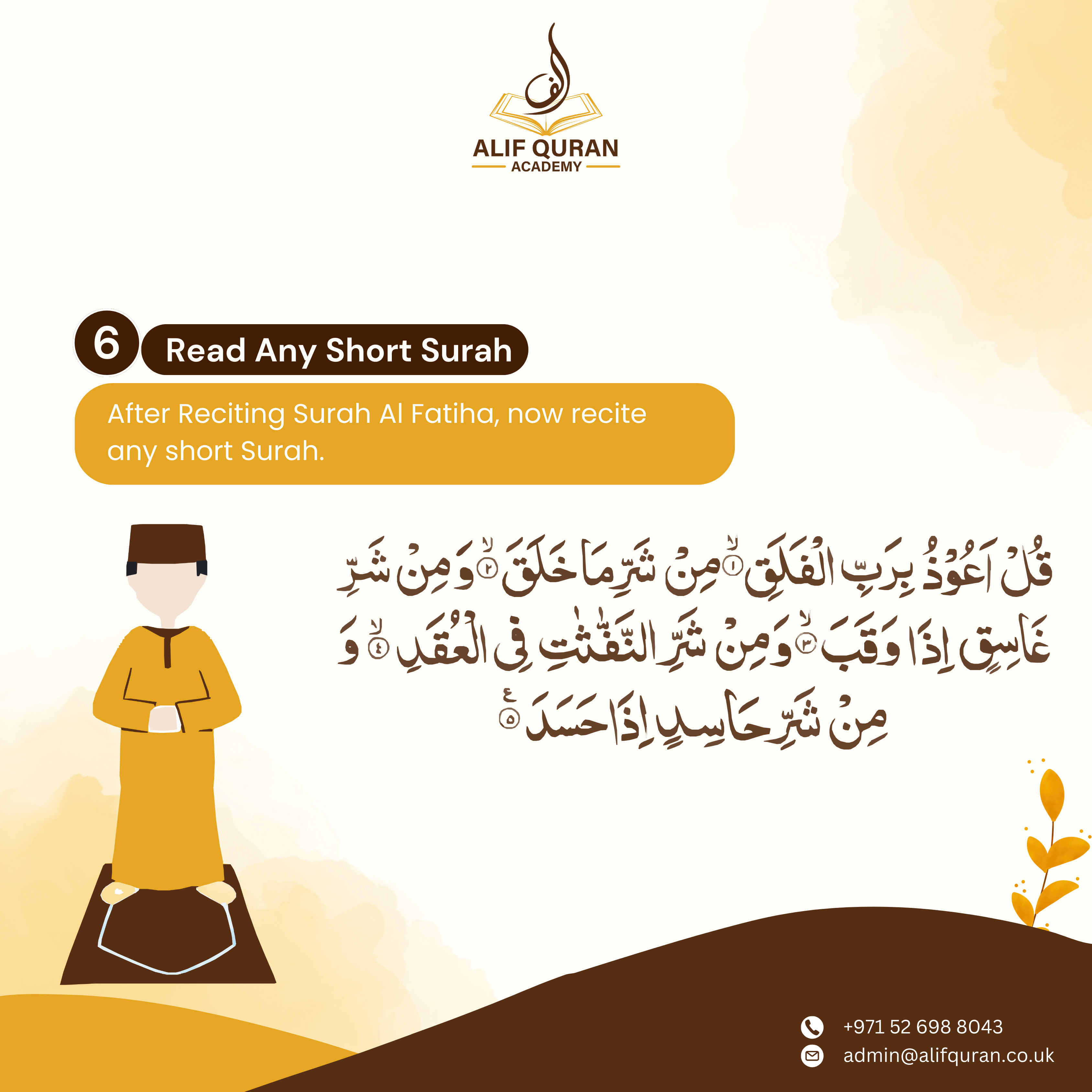
After Surah Al-Fatiha, read a short surah such as Surah Ikhlas, Surah Falaq or Surah Naas.
قُلْ هُوَ اللّٰهُ أَحَدٌ
اللّٰهُ الصَّمَدُ
لَمْ يَلِدْ وَلَمْ يُولَدْ
وَلَمْ يَكُنْ لَهُ كُفُوًا أَحَدٌ
Qul huwallahu ahad. Allahus-samad. Lam yalid wa lam yulad. Wa lam yakun lahu kufuwan ahad.
Meaning: Say, He is Allah, One. Allah, the Eternal. He does not beget, nor was He begotten. And none is equal to Him.
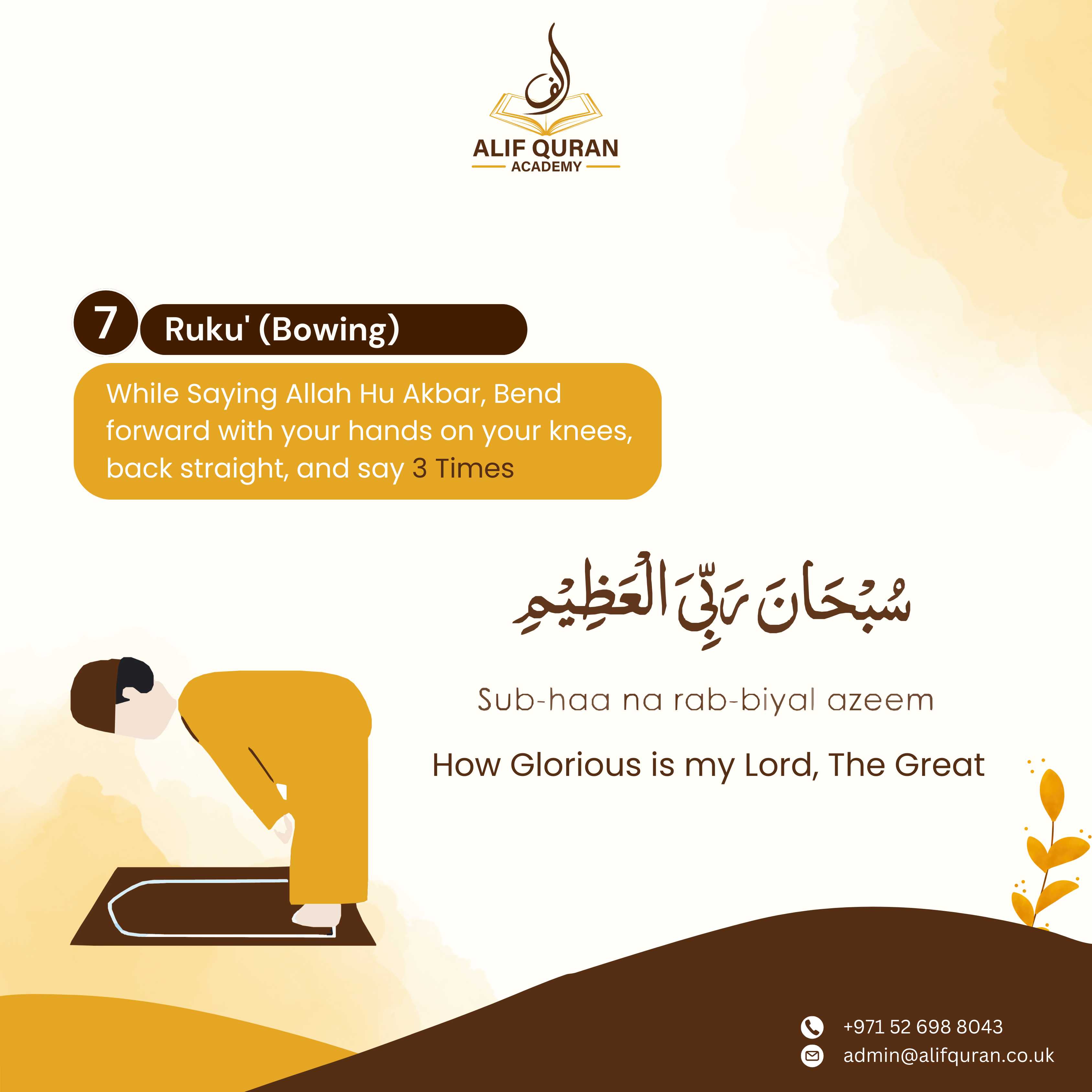
Say Allahu Akbar and bow. Place your hands on your knees and keep your back straight.
سُبْحَانَ رَبِّيَ الْعَظِيمِ
Subhana Rabbiyal Azeem
Meaning: Glory be to my Lord, the Most Great. Say this three times.
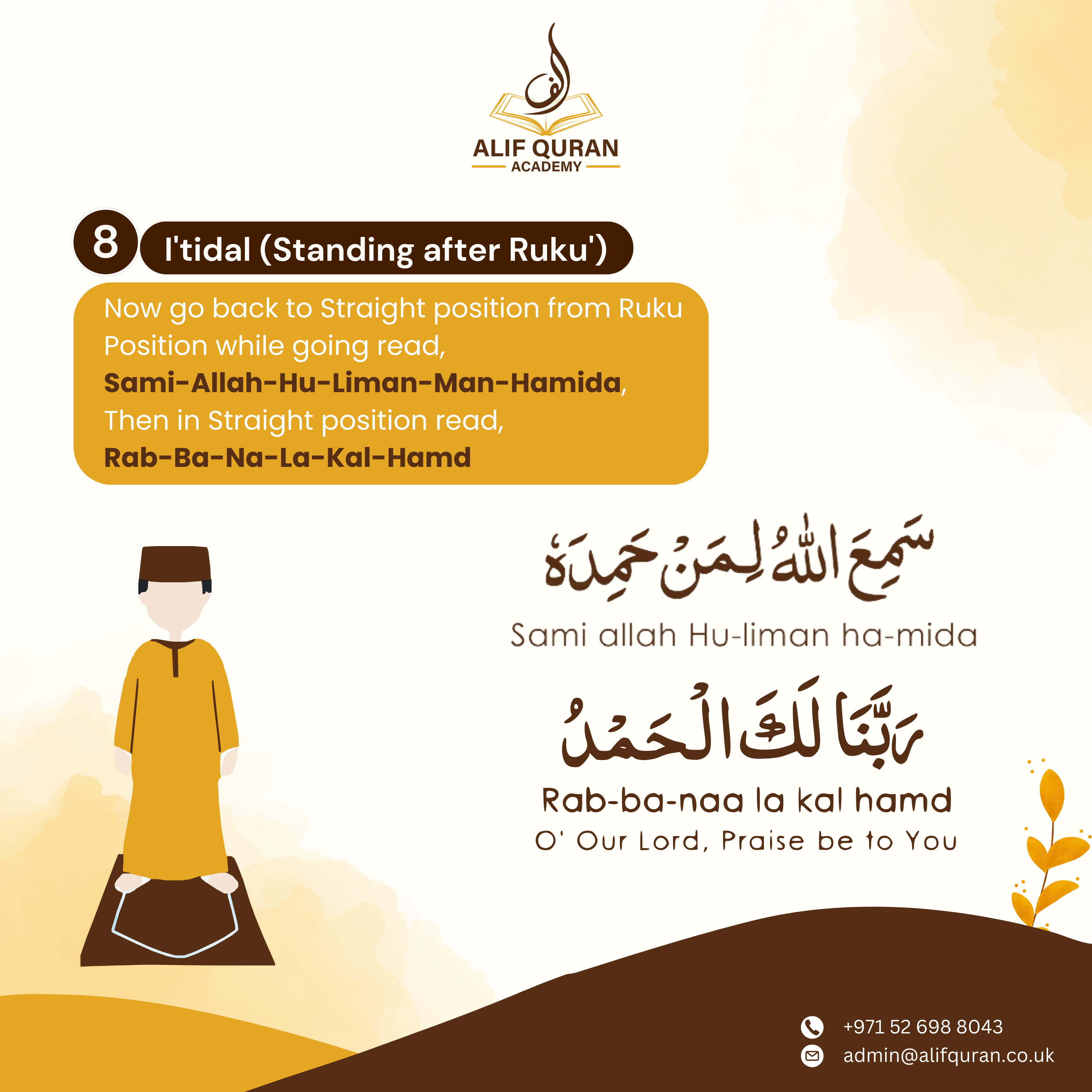
Stand up straight after Ruku and praise Allah.
سَمِعَ اللّٰهُ لِمَنْ حَمِدَهُ
رَبَّنَا لَكَ الْحَمْدُ
Sami'Allahu liman hamidah. Rabbana lakal hamd.
Meaning: Allah hears the one who praises Him. Our Lord, all praise belongs to You.
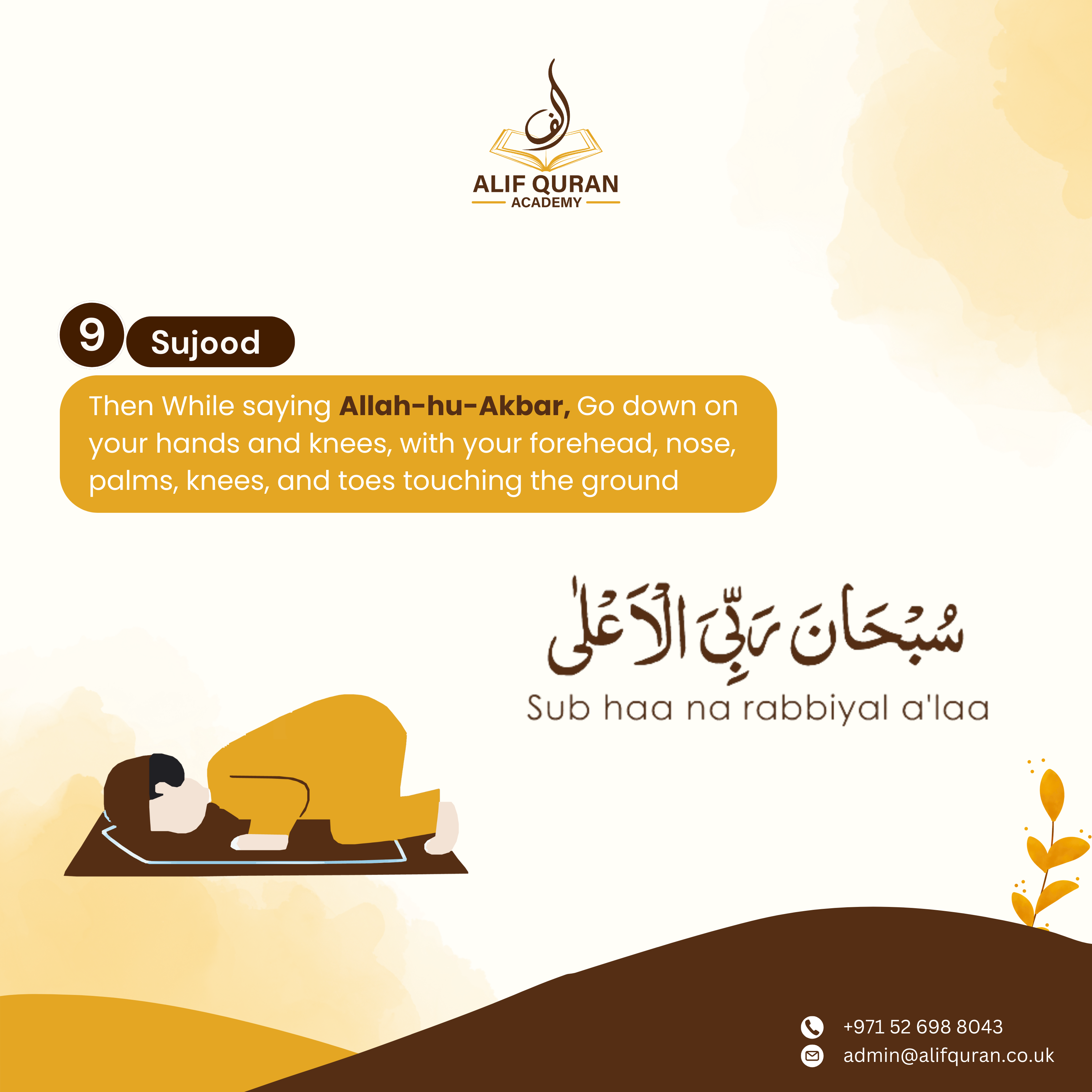
Say Allahu Akbar and go into Sujood. Place your forehead, nose, palms, knees and toes on the ground.
سُبْحَانَ رَبِّيَ الْأَعْلَى
Subhana Rabbiyal A'la
Meaning: Glory be to my Lord, the Most High. Say this three times.
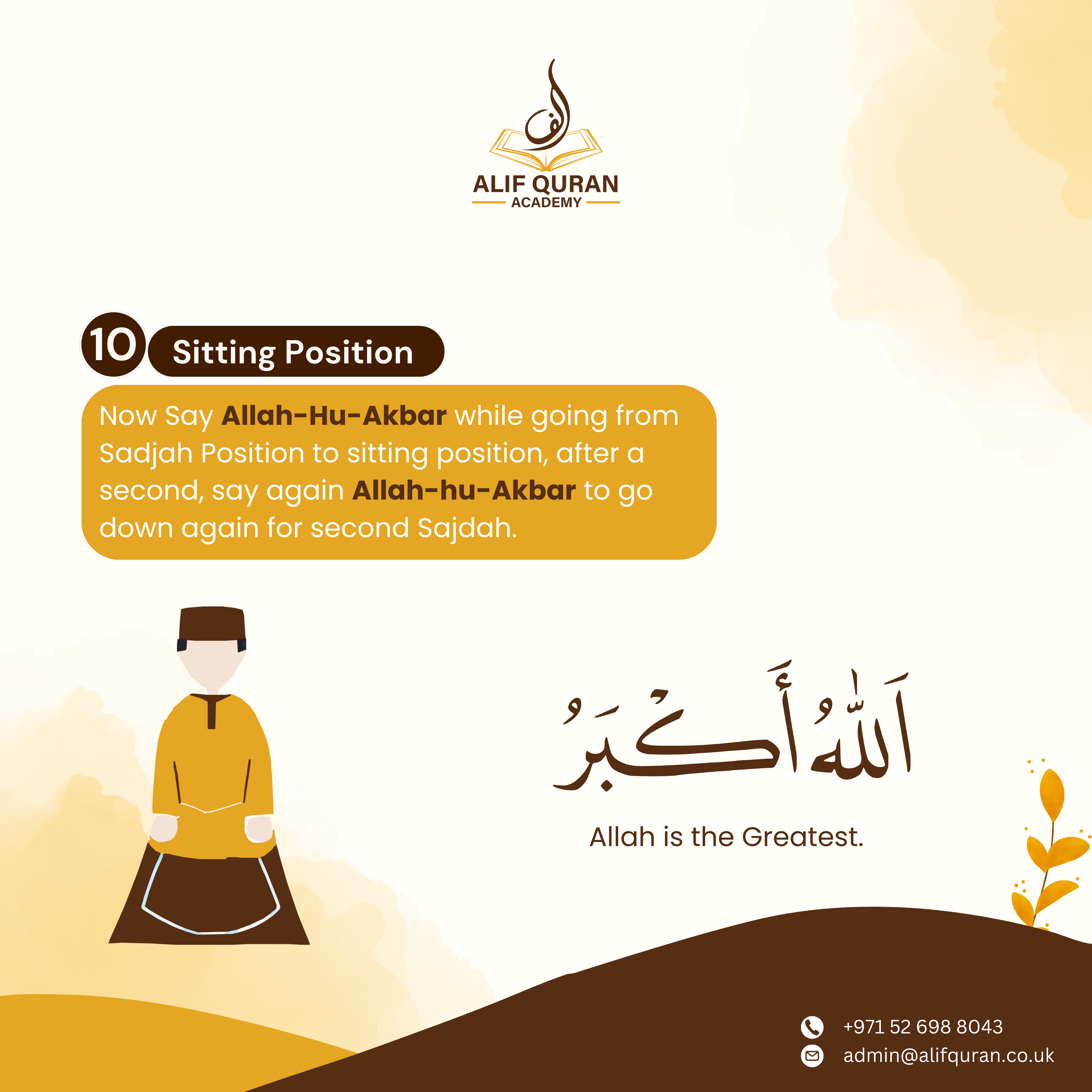
Say Allahu Akbar and sit calmly. Ask Allah for forgiveness, mercy and guidance.
رَبِّ اغْفِرْ لِي
Rabbighfir li
Meaning: My Lord, forgive me.
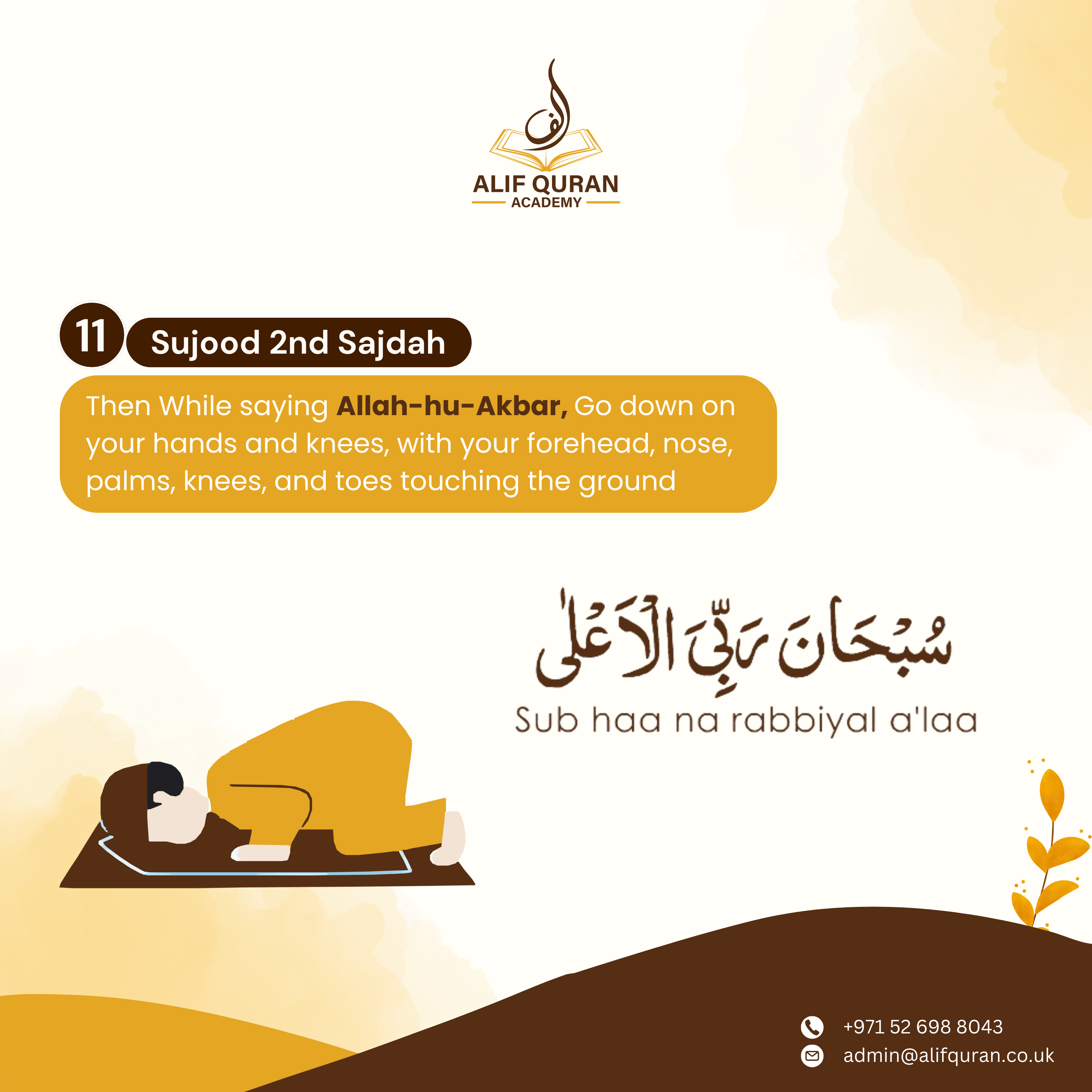
Say Allahu Akbar and go into Sujood again, just like the first Sujood.
سُبْحَانَ رَبِّيَ الْأَعْلَى
Subhana Rabbiyal A'la
Meaning: Glory be to my Lord, the Most High.
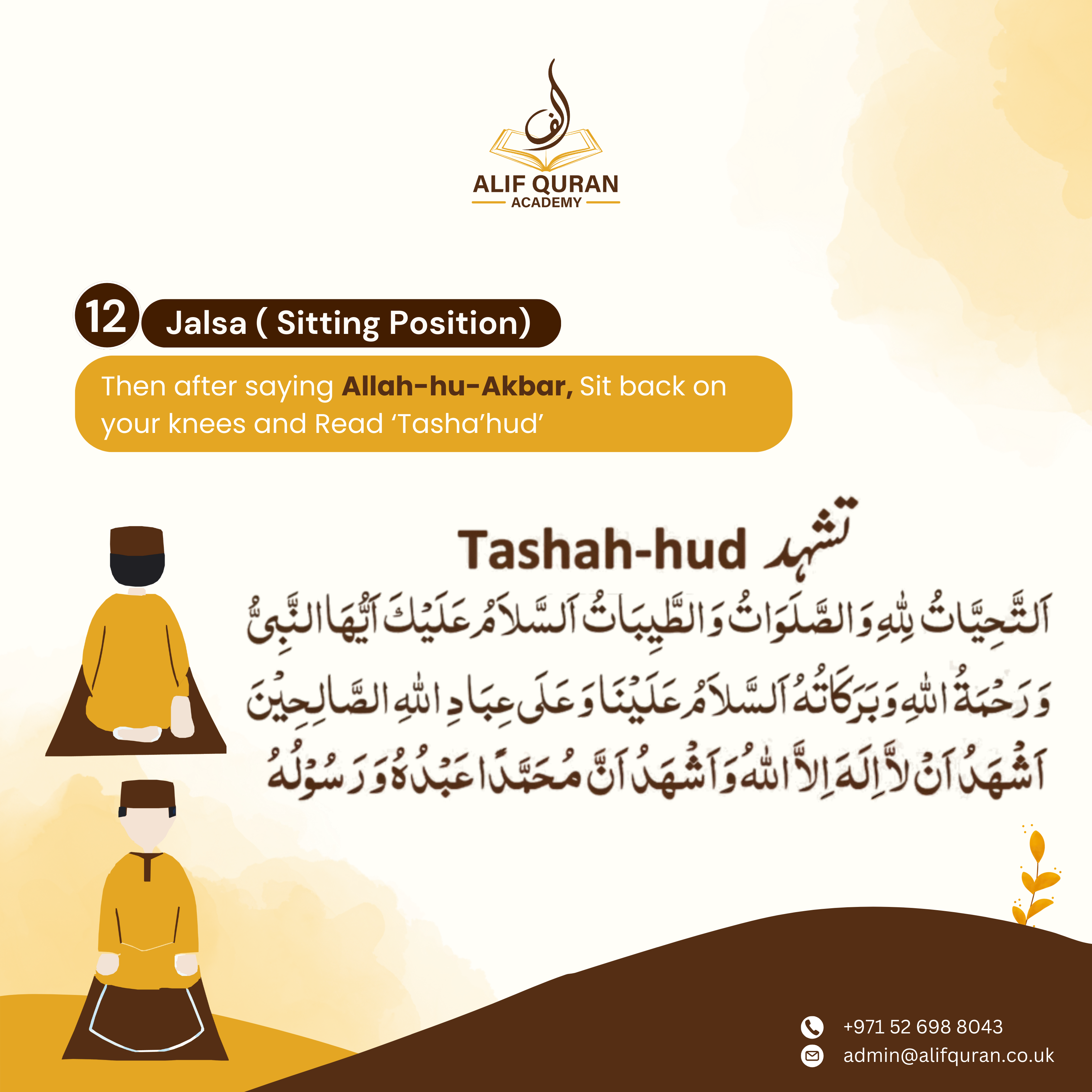
In the final sitting, read Tashahhud, Durood Ibrahimi and a dua before finishing Salah.
التَّحِيَّاتُ لِلّٰهِ وَالصَّلَوَاتُ وَالطَّيِّبَاتُ...
At-tahiyyatu lillahi was-salawatu wat-tayyibat...
Meaning: All greetings, prayers and pure words are for Allah...
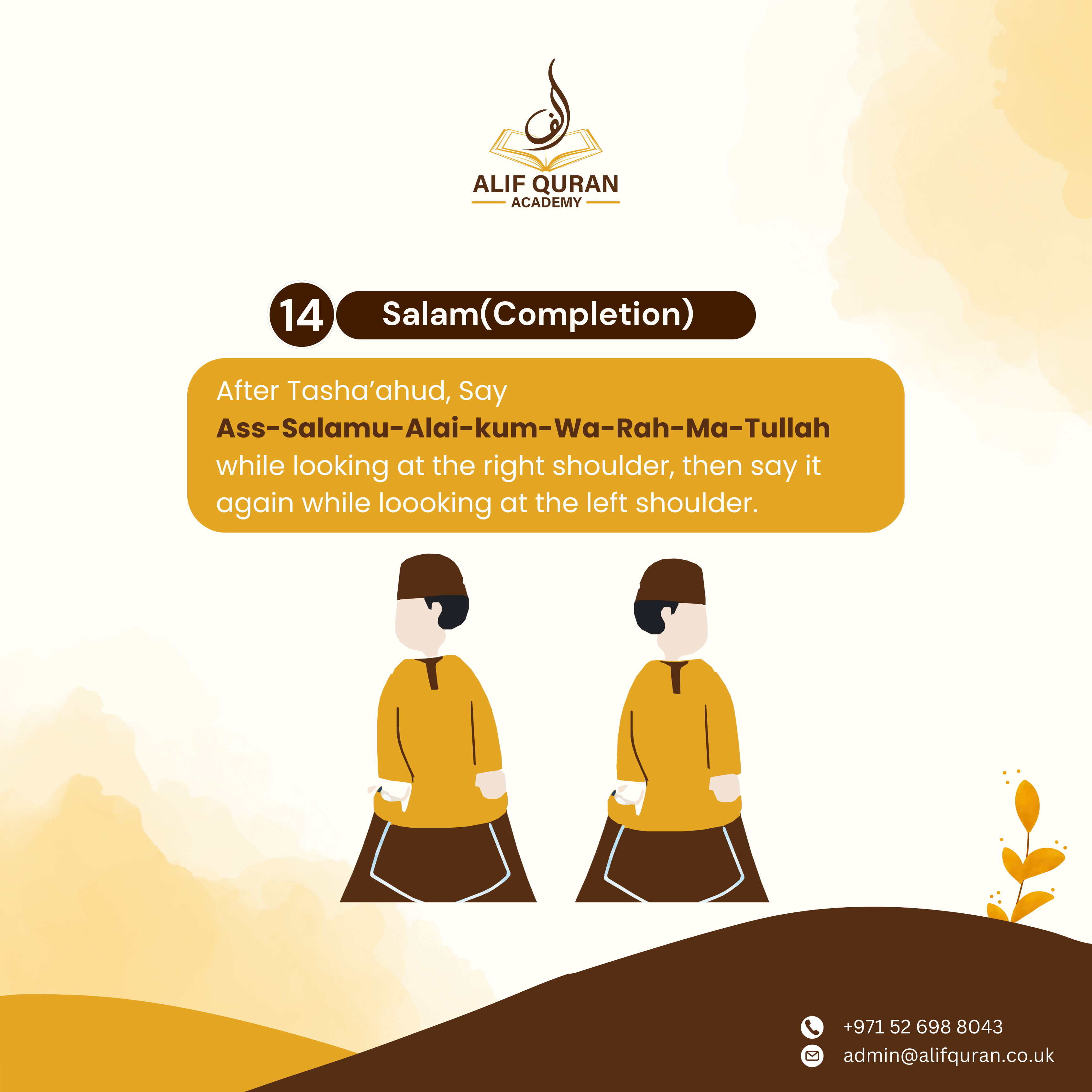
Turn your head to the right and say Salam, then turn to the left and say the same. Your Salah is complete.
السَّلَامُ عَلَيْكُمْ وَرَحْمَةُ اللّٰهِ
Assalamu alaikum wa rahmatullah
Meaning: Peace and Allah's mercy be upon you.
Both boys and girls pray to Allah with respect, cleanliness and focus. Parents should teach children gently and according to their family’s fiqh practice.
Use your location to show today’s Fajr, Zuhr, Asr, Maghrib and Isha times. This uses the free AlAdhan Prayer Times API.
Children should learn that Salah is not just movement. It is worship, remembrance, discipline and a connection with Allah.
The Quran teaches that prayer helps stop a person from immoral and wrong actions, and that remembering Allah is greater.
Quran 29:45The Prophet Muhammad ﷺ taught that Islam is built on five pillars, and establishing prayer is one of them.
Sahih al-Bukhari 8, Sahih Muslim 16If you make a mistake in prayer, do not give up. Try again, ask Allah for forgiveness and keep learning step by step.
Beginner reminderChildren are learning, so mistakes can happen. They may forget a word, lose focus, move too much or miss a step. Parents and teachers should correct them with kindness, not fear.
Teach children this beautiful habit: if you make a mistake, say sorry to Allah, learn the correct way and try again next time.
At Alif Quran Academy, children can learn Quran reading, Qaida, Tajweed, duas, Salah, Islamic manners and surah memorisation in one-to-one online classes.
Simple answers for children, parents and beginners learning Salah.
Nimaz, also called Salah, is the Muslim prayer offered to worship Allah. Muslims pray five daily prayers: Fajr, Zuhr, Asr, Maghrib and Isha.
The recommended Rank Math focus keyword is How to Pray Nimaz. It appears in the SEO title, H1, first paragraph, headings and FAQ section naturally.
There are five daily prayers in Islam: Fajr, Zuhr, Asr, Maghrib and Isha.
Yes. Children can learn Nimaz online with a parent or qualified Quran teacher. One-to-one lessons help children practise slowly and ask questions.
The main prayer steps are the same: standing, recitation, Ruku, Sujood and Salam. Some posture and covering details may differ depending on family practice and fiqh, so children should follow their parents or teacher.
Do not give up. Ask Allah for forgiveness, learn the correct way and try again. Children should be corrected with kindness and patience.
Yes. Muslims should make Wudu before praying Salah. Children should learn Wudu along with the steps of Nimaz.
Yes. The prayer time section can show Fajr, Zuhr, Asr, Maghrib and Isha times using your browser location or city search.
Book 3 free trial classes at Alif Quran Academy and let your child learn Quran, duas, Salah and Islamic manners in a gentle one-to-one class.
Book 3 Free Trial Classes